
Crying can be a bridge between what we feel and what we are ready to admit

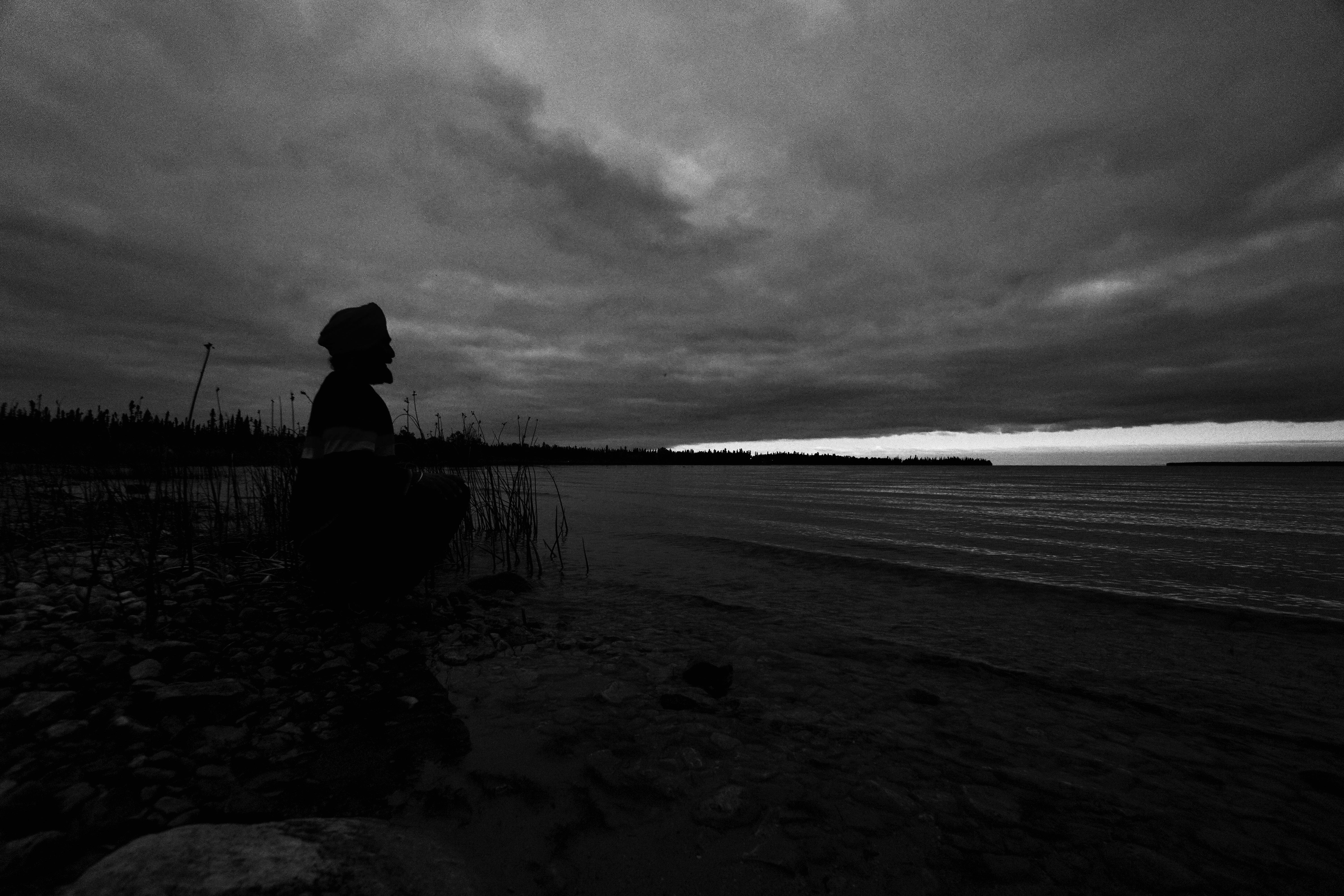
There are nights in the Yukon when the sky feels like a wide, dark bowl turned upside down over the mountains, and the silence has a way of speaking first. I have met that silence on long winter walks, when my boots squeak on hard snow and the cold seems to scrub every thought clean. In that quiet, some people expect tears to arrive the way snow arrives, naturally, finally, without asking permission. But for many of us, the eyes stay dry even when the heart is flooded.
I have learned that not crying does not always mean not feeling. Sometimes it means a person has become a careful keeper of emotion, not because they are strong in the way the world praises, but because they have been taught that feeling should be hidden, controlled, packed away like summer gear. When life knocks hard, some people close down like a cabin in a storm. The shutters go up. The lights dim. From the outside it looks calm. Inside, everything is still moving.
I have seen this in myself too. There are times when grief sits on my chest and yet tears do not come. It can happen after loss, after rejection, after a dream that looked so real it felt already lived. The mind searches for the release valve, but it is stuck. Part of it is habit. Part of it is fear. Society has a strange list of rules about what is acceptable to show. In many places, even tenderness has to be justified. A person worries about being judged as weak, dramatic, or inconvenient. So they swallow what they should speak, and they hold in what they should let out.
But I do not want to build a life around locked doors. I live in a place where nature does not pretend. Rivers break open in spring, not because they are optimistic, but because ice cannot keep its grip forever. The land reminds me that release is not failure. Release is a form of honesty.
Joy, in the healthiest sense, is not the loud promise that everything will be fine. It is not a bright sticker pasted over a cracked window. Joy is a steady, clear-eyed willingness to notice what is good without denying what hurts. In the Yukon, joy can be as small as the smell of tea in a warm mug, as quiet as a raven’s wingbeat, as simple as a neighbor waving from across a snowy road. It does not erase pain. It sits beside it and says, “I am here too.”
I dance in the snow, and people sometimes imagine it as a performance of constant happiness. The truth is more human. I dance because movement loosens what gets trapped. A body can carry sorrow for years in tightened shoulders and a clenched jaw. When I lift my arms under an open sky, I am not trying to outrun sadness. I am giving it space to breathe. There is a kind of positivity that demands a smile as proof of worth, and I do not trust that kind. It feels like a hand pushing your head above water when you need to float. Real positivity is gentler. It asks, “What is true right now, and what can support you right now?”
Sometimes support looks like tears. Sometimes it looks like stillness. Sometimes it looks like calling a friend and not pretending the day is easy. When people cannot cry, I do not tell them to force it. I tell them they are not broken. I tell them that the heart has more than one language. Some hearts speak through work, through care, through silence, through art, through prayer, through walking until the mind softens. Tears are one way of telling the truth, not the only way.
And yet I also believe in giving ourselves permission. Permission to grieve without apology. Permission to say, “This hurt me.” Permission to be seen. Crying can be a bridge between what we feel and what we are ready to admit. When that bridge is blocked, we can build smaller bridges first. Write the unsaid sentence. Breathe with a hand on the chest. Let music do what words cannot. Let the body move. Let the day be imperfect.
Healthy joy grows from this permission. It grows from the moment a person stops fighting their own feelings and starts listening. It grows when we choose kindness that is not performative, kindness that includes ourselves. It grows when we accept that some days are heavy, and we do not need to pretend otherwise to deserve love.
In the Yukon, winter teaches endurance, but spring teaches trust. The thaw comes slowly. The first trickle under the ice is almost invisible, but it is real. That is how joy returns too. Not as a sudden command to be cheerful, but as a gradual opening. A person may not cry today. They may not cry tomorrow. Still, something in them can begin to soften, and in that softening, there is room for both tears and laughter, each honest in its own time.
Thank you for purchasing my independent, ad-free, and grant-free print magazine at Gurdeep.ca/magazine. Thank you for giving this magazine a place in your life, and for welcoming its words and spirit into your home. Every time you read it, share it, or pass it along, you help this small, independent effort travel further than I could ever do alone.
Now I see your dancing as a release and embrace of feelings that don't use words. I am not a crier and a friend said I keep my feelings very deep. I'm okay with that and I'll consider a change!!
Oh my goodness, this hit home! I will read it again…and I suspect again. So well expressed, and described it far better than any of the grief books and articles I have read in these last 9 years! Thank you!!