
Why Can't All Countries in the World Work Together, Knowing That None of Us Will Live Permanently on This Planet?
Like a frog in a well who sees only a small circle of sky and thinks it's the whole world, countries view everything through their borders, as if these man-made lines are all that matters.

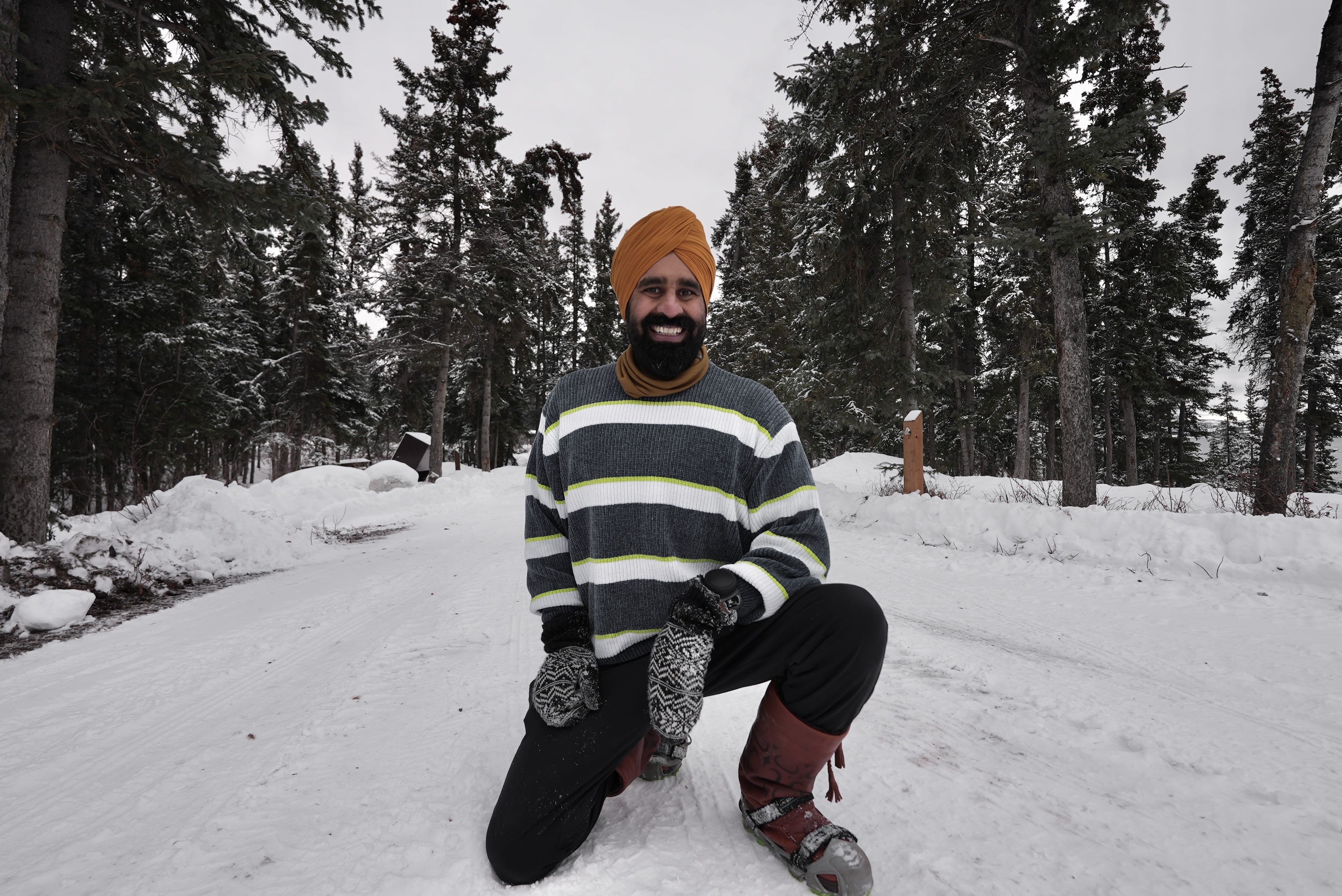
Why can't all countries work together when we all know our time on Earth is limited? When we think about it, everything we own, achieve, and build will only last for a short time — just like us. Even if we live for 100 years, that's tiny compared to Earth's 4.5 billion years of existence. So why do we keep fighting and dividing ourselves?
The answer might be in how our minds work. We always want more — more power, money, land, things, clothes, cars, houses, and abilities. We're never satisfied with what we have. As soon as we get something we want, we immediately start wanting something else.
This endless chase for more affects everyone. It comes from greed and ego — we want to show others we're better than them. Same with the countries. Our society looks up to people who always want more power and wealth, thinking somehow their riches will help everyone else. Sadly, most of these people only care about themselves and cause more harm than good.
Religion has become a big source of conflict. While religious teachings promote simple living, many religious leaders live luxurious lives with wealth, bodyguards, fancy cars, big houses, and expensive clothes. This sends the wrong message to their followers. Worse still, some religious groups cause violence and wars while preaching peace and love.
Politics is another big problem. Many people see it as a quick way to gain power, respect, money, and control. Once they get into office, they receive many special benefits. Recent events show how easily power can be misused.
Even billionaires aren't satisfied with what they already have. Despite having huge amounts of money, they keep trying to get more through investments and business growth. They spend very little on helping others, and when they do give to charity, it often seems more about looking good than doing good.
People and nations are strangely obsessed with proving they're better than others, usually through money and political power. Religion and politics have become dangerously mixed — religious groups want political connections for special treatment, while politicians use religion to get votes. This religion-politics entanglement is one of the main reasons for the current state of affairs.
Religious groups often make their followers afraid instead of empowered. Politicians take advantage of this by warning people that their religion is under threat and promising to protect them. People believe these politicians and support them, not realizing these leaders care more about getting power than protecting their religion. Once they're in office, they focus on keeping power.
Today, countries fight in many ways — with weapons and bombs, but also through trade disputes, tariffs, and diplomatic tricks. Social media has created new ways for countries to interfere with each other. Countries can't work together because their leaders promote the idea that their nation is better than all others.
Think about where we are: we live on a small planet in a huge universe. Like a frog in a well who thinks the small circle of sky it sees is the whole world, countries look at everything through their borders, as if these man-made lines are all that matters. This leads to excessive national pride, making people think their country is more important than it really is.
I love frogs, by the way.
Power becomes like an addiction for leaders who refuse to step down, threatening democracy worldwide.
Going back to our first question: Why can't we work together even though we know we won't live forever? Despite better education and technology, we still act on dangerous impulses. Education sometimes makes our egos bigger instead of helping us unite. This stops us from seeing the world with hope and positivity.
For true joy and harmony to flourish across our world, it is essential that people and nations find meaningful ways to collaborate, support one another, and build lasting connections. While our individual lives and achievements are temporary in the grand scheme of existence, the bridges we build between communities and countries can create positive ripples that extend far beyond our time. Through mutual understanding, shared resources, and collective problem-solving, we can create a more unified world. I am sharing an uplifting video that brings joy to your reading:
Countries, look past your differences and see yourself as part of one world community, not just separate nations.
Remember: we're all citizens of the universe.
*****
Dear reader,
I've chosen to keep my articles free to ensure they remain accessible to everyone, regardless of their income. I don't wish to create barriers for those facing financial hardship. If you have stable employment and a steady income, though, I trust you'll read my articles as a paid subscriber.
If you can, write your thoughts in the comments below.
Cheerfully,
Gurdeep
The frog has no ego it lives to survive and carry on its genes. Unlike humans they are innocent humans know hatred frogs do not. Unlike humans frogs are perfect in their creation man is imperfect influenced by their greed, sinful lust for power and cruelty to the feeble and meek. The frog is childlike living in their environment unlike humans who are ignorant of their world and who are consumers rather than contributors. The frog has no religion or politics, the human has created these institutions to rule over other humans. The frog makes no war the human does chasing their lust for death and killing. We ignore nature and our world using it and abusing it and each other. Humans will only empathize with the injustices that are perpetrated by our so called leaders only when death is knocking at their door.
I wish your message would reach the people it desperately needs to reach. I think most of us who follow you are in agreement with what you said. The question is how do we reach those who really don't get it?