
Downtime is not only something to endure. It is something to value.

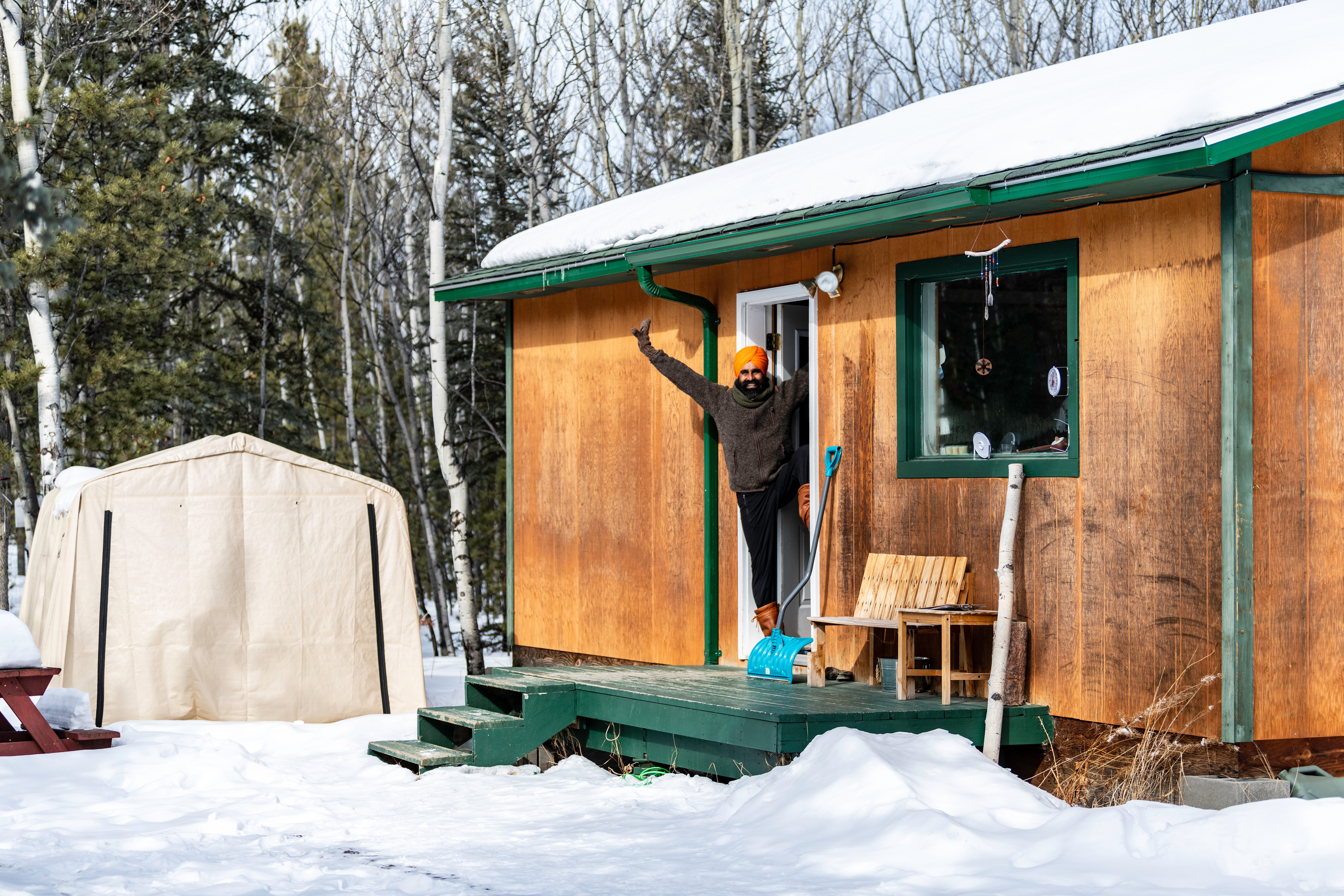
When sadness visits, it does not knock like a polite guest. It slips in like cold air under the cabin door, quiet at first, then filling every corner until even the kettle sounds heavy. I have learned not to wrestle it to the floor. I have learned to sit with it on the wooden steps of my cabin in the Yukon and listen to what it is trying to say. The spruce trees do not apologize for winter. The river does not feel guilty when it slows under ice. In the North, downtime is not a failure of motion. It is a season of attention.
I remember the first time I realized I was treating sadness like a mistake. I had returned from dancing in cities where everything is bright and fast, where the roads are full of headlights and the days are measured by appointments. After weeks of dancing across Canada, I came back to my cabin, and the quiet felt like an accusation. My body missed the crowd, the smiles, the quick conversations after a performance. My mind chased the past performance and the next one at the same time, and in between, it found a hollow space and labeled it “down.”
But the Yukon has taught me that the space between beats is part of the rhythm. When the music pauses, the dancer does not stop being a dancer. The body simply prepares for the next movement. I began to treat my own downtime the same way. Instead of asking, “Why am I sad?” as if I had done something wrong, I started asking, “What is this time for?” That small change did not banish sadness, but it gave it a purpose. It gave me room to learn.
In my cabin, the first creative way to emerge from downtime is to make a ritual out of the ordinary. I sweep the floor slowly, noticing where the sunlight falls. I split firewood and watch the grain patterns like little maps. I cook the same simple meal and add one new spice, just to prove that even repetition can carry surprise. These tasks do not fix anything in a dramatic way, but they return me to my hands, to the present moment, to the truth that I am alive and capable.
The second way is to let the land be my teacher. When I am low, I walk without a destination, sometimes only a few minutes, sometimes an hour. I pay attention to tracks in the snow, to the way a raven angles its wings, to the soft creak of trees rubbing together. The land does not rush me. It does not demand a report. It offers a lesson in patience, and it reminds me that feeling stuck can be a kind of stillness that is doing work beneath the surface.
The third way is to dance when nobody is watching, especially when I do not feel like it. In the cities, dance can become a message, a bridge, a celebration that belongs to the public. In the Yukon, dance can be a private conversation. I have danced in my cabin with muddy boots still on, dancing not for applause but for circulation, for breath, for the simple fact of moving energy through my body. Sometimes I dance in the snow outside, and the cold air makes my lungs sting, and I laugh because the body insists on being real. When I do that, I am not pretending sadness is gone. I am making space for joy to return, one step at a time.
I have danced in front of Parliament Hill in front of 8000 people, on quiet streets in small towns, beside lakes, on mountain roads, and in places where people did not expect to see Bhangra at all. Each location has taught me something about resilience. In a big city, resilience can look like showing up again and again. In a small town, it can look like being brave enough to be different in public. In the Yukon, resilience often looks like making peace with the long winter, with solitude, with the honest truth that not every day will be bright.
Downtime is not only something to endure. It is something to value, the way you value a slow-cooked meal or a story that takes its time. It is the time when your mind reorganizes, when your heart catches up to what your life has been asking of you. It is the time when you can learn new skills without pressure, like practicing a dance step until it becomes muscle memory, or reading a book until a single sentence changes how you see the world.
When sadness comes now, I try to greet it with respect. I tell myself that this feeling is part of the human weather. I remind myself that I have danced through storms and sunshine, through loneliness and community, through the wide-open spaces of Canada. I can sit in the quiet of my cabin and let this downtime do what it was meant to do. Then, when the moment is ready, I can step back into motion, not as someone who escaped sadness, but as someone who learned the value of the pause and carried that wisdom into the next dance.
Thank you for purchasing my independent, ad-free, and grant-free print magazine at Gurdeep.ca/magazine. Thank you for giving this magazine a place in your life, and for welcoming its words and spirit into your home. Every time you read it, share it, or pass it along, you help this small, independent effort travel further than I could ever do alone.
We are a guest house, one with many rooms, some for strangers, some for the familiar.
All are welcome, see you soon.
Echoing with a Rumi inspired theme, thanks for more Arctic incites, where stillness oozes healing 🙏🏻
I love my downtime! Thank you Gurdeep as always for these wise words ☺️